Beñat Sarasola: “The MALBA residency offers a highly stimulating environment for literary creation”
2026/10/27
Basque writer Beñat Sarasola has completed a five-week literary residency at MALBA in Buenos Aires, with the support of Etxepare Basque Institute. Thanks to the collaboration between the two institutions, the seventh edition of the residency welcomed a writer working in the Basque language for the first time. During his stay, Sarasola completed the first draft of his next novel and had the opportunity to immerse himself in Buenos Aires’ vibrant literary and cultural scene. In this interview, he reflects on the value of creative residencies, the importance of translation, and the opportunities and challenges facing Basque literature in reaching new readers in Latin America.
Euskara. Kultura. Mundura.

After five weeks as an artist-in-residence at MALBA, what are your thoughts on the experience? What would you highlight?
It’s been a really enjoyable experience. As often happens with residencies like this, you reach the end and feel that it’s gone by too quickly. I’ve made the most of my time here to work on my project, but Buenos Aires is such a huge city, with so much to see and do, that you inevitably leave feeling there’s still so much more to discover.
As far as the project itself is concerned, I’ve been able to make real progress. Residencies like this offer a chance to step away from everyday routines. Back home, I rarely have the opportunity to devote so much uninterrupted time to writing. Here, I’ve been able to organise my days as I please, and that’s made the experience really productive.
And Buenos Aires is such a literary city, with a vibrant cultural scene, that I’ve learned a great deal from being here too.
So, residencies like these give you the time and space to write, but then there’s the city itself as well, isn’t there?
Exactly – time and space. And beyond the city itself, there’s also the museum. MALBA is a fascinating place. Its main focus is Latin American art, but it also has a really strong literary programme.
I’ve had the chance to attend workshops and literary events, which has been wonderful for me as a writer. And the museum was just a hundred metres from the flat where I was staying, so all these activities were practically on my doorstep. In a way, being surrounded by all that helps keep your mind active and your creativity alive.
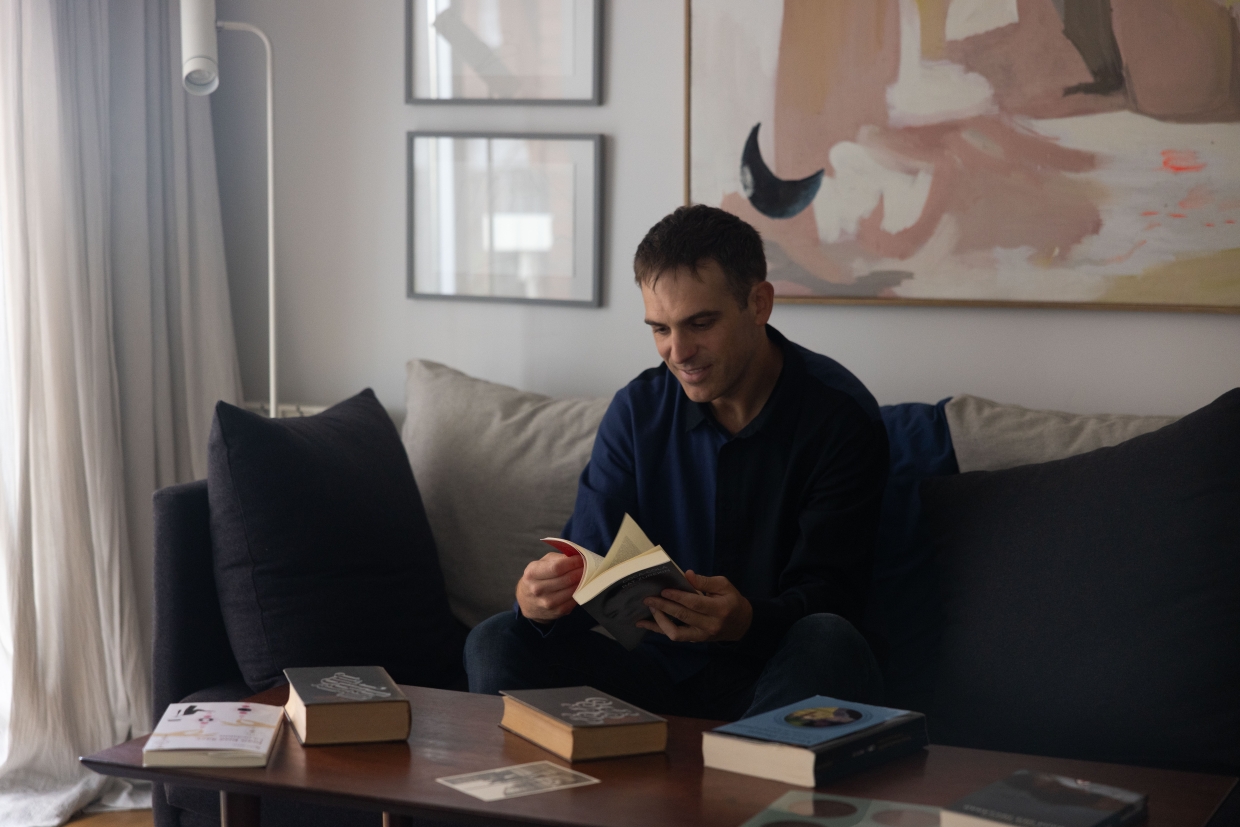
What were you working on when you arrived in Buenos Aires, and how much progress have you made over the past five weeks?
The project was already fairly well developed when I arrived. I had a clear idea of what I wanted to do and had started writing. It’s a novella, and I’d say I was about a quarter of the way through it.
My aim was to finish the first draft, and I’ve managed to do that. So I’m really pleased, because you never quite know how things are going to turn out. Even when you have a clear idea of where you´re heading, there are always doubts. But at least I now have a complete draft.
I’ve taken part in other writers’ residencies before, and the experience can be very different depending on what stage you´re at with your work. Sometimes you arrive with just an idea, without having written anything yet. In my case, I already had a good deal of work behind me, so I was able to concentrate fully on writing.
The residency came at just the right time and gave me the chance to finish that first draft. Now comes the second draft, the revisions and everything that comes after, but the foundations are there now. It feels good to know that I’ve got a substantial part of the work done.
Your latest novel, Coca-Cola bat zurekin, has been translated into Spanish and German. You’ve also translated Philip Roth’s Nemesis into Basque and worked on other translation projects. Having experienced translation from both sides, as a writer and a translator, what do you think happens to a literary work when it moves from one language to another?
I’d say translation is essential to literature. You can’t really understand literature without it. As readers, we often read more books in translation than in their original language, whether we’re reading in Spanish, Basque or any other language. Without translation, we’d have very little literature to speak of. From the classics right up to the present day, translation has always been an integral part of literature, even if we sometimes forget that.
You become even more aware of this when you go abroad. When you write in a minority language like Basque, you often find yourself having to explain your work, and that’s when you really become aware of the language barrier. That’s why translation is so important for reaching readers beyond your own language.
While I was in Buenos Aires, people kept asking me whether I translated my own work from Basque into Spanish. They were quite surprised when I told them I didn’t. They knew I spoke Spanish, so they wondered why I didn’t do it myself.
In literary translation, you need to have a complete command of the language, including from a literary perspective. It’s not enough just to speak the language. You also need to know its traditions, its literature and the thinking behind it. And in my case, I haven’t explored any other language in the same depth as I have Basque.
That’s why, for me, it’s so important to find like-minded translators who really understand your work and share your vision. And I think that’s one of the challenges facing Basque literature: finding those translators who can work closely with writers and bring their work into Spanish, English and other languages. I think that’s one of the challenges facing Basque literature: finding such like-minded translators for Spanish, English and other languages.
I always say that a translation isn’t the same work, but more like a sibling of the original. I think that’s how you have to see it. Sometimes it can be a little frustrating, because you read a translation and think, ‘That’s not quite what I wrote.’ But you have to accept that too, and that’s what makes translation such a complex process.
I think it’s essential to find those like-minded translators and give them the recognition they deserve. And when you establish that kind of connection, it’s a wonderful feeling to see your own voice come through in someone else’s words.
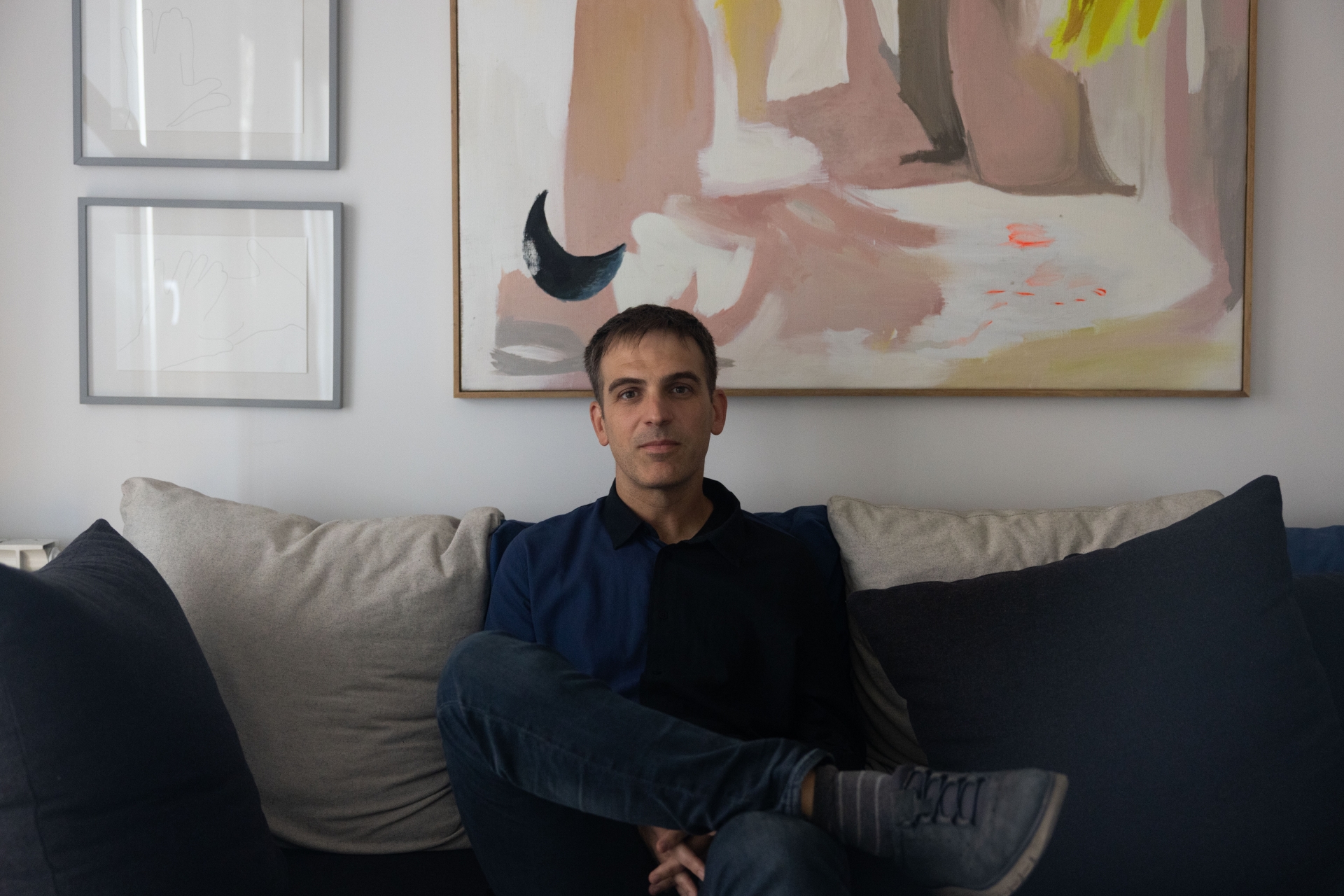
As you were saying, translation opens up the possibility of reaching new readers. But what are the challenges of actually reaching those audiences, and what has your experience been like in Argentina?
Translation is one thing, but then there’s another really important issue: distribution. A book might be translated into another language, but that doesn’t necessarily mean it will find its way into readers’ hands. And that can be quite a challenge.
It’s not easy to get Basque literature out there and reach readers in other languages. Even if your books have been translated, that doesn’t mean they’ll be easy to find in places like Latin America. My previous book has been translated, for example, but actually getting it into readers’ hands over there is a different story.
That’s one thing. But my books are also very closely tied to our cultural and political context. So when they’re translated, it’s not just about translating the words. In a way, you also have to translate the culture behind them. And that’s what I find interesting: discovering how people abroad see us, how much they know about the Basque Country, and how that influences the way they read my work.
In Argentina, I had the chance to meet people who had read my work, and that was really special. There’s a strong Basque community there, including many second- and third-generation descendants of Basque immigrants. They’re very interested in Basque culture, but they see it from a very different perspective than I do.
They have a real fascination with everything to do with Basque culture. And I find that sense of distance interesting too: seeing how people view you from the outside and how you respond to the way they see you. It’s something you don’t experience in the Basque Country. When you go abroad, you see things from a different perspective.


Buenos Aires has such a rich literary tradition and a vibrant cultural scene. How has being there influenced your writing? Has anything in particular left its mark on your work – the language, the books you’ve read, the conversations you’ve had, the places, the rhythm of the city...?
Not consciously, at least. I don’t feel that any of those things have directly influenced the project I’m working on at the moment. Some writers, for example, avoid reading other people’s work while they’re writing because they’re worried it might influence them. I don’t have that problem.
And in Buenos Aires, Borges is everywhere. I’ve read some of his work and reread things I’d already read before, but I don’t feel that any of it has had a direct impact on my writing, at least not in the short term.
But I do think that, in the long run, reading and continuing to discover books is incredibly enriching. And inevitably, that feeds into your writing in some way. In that sense, the residency has been really rewarding. I’ve had the chance to revisit writers I already knew, but also to discover new ones, from younger writers to more established authors, with all sorts of different styles.
And then there are the bookshops, which Buenos Aires is famous for. There are so many of them, and they still have something that’s gradually disappearing back home: booksellers with a real passion for literature.
You walk into a bookshop, ask for something, and before you know it, they’re showing you a hundred different books, drawing connections between one writer and another. They have an incredible knowledge of literature and its history. And that’s why bookshops play such an important role in the literary community.
The FED – the Publishers’ Fair – was also taking place while I was there. I took part in a couple of events, and it was a great opportunity to discover publishers who aren’t necessarily very well known back home and get a feel for the kinds of books they publish.
So yes, it’s been a very, very enriching experience.
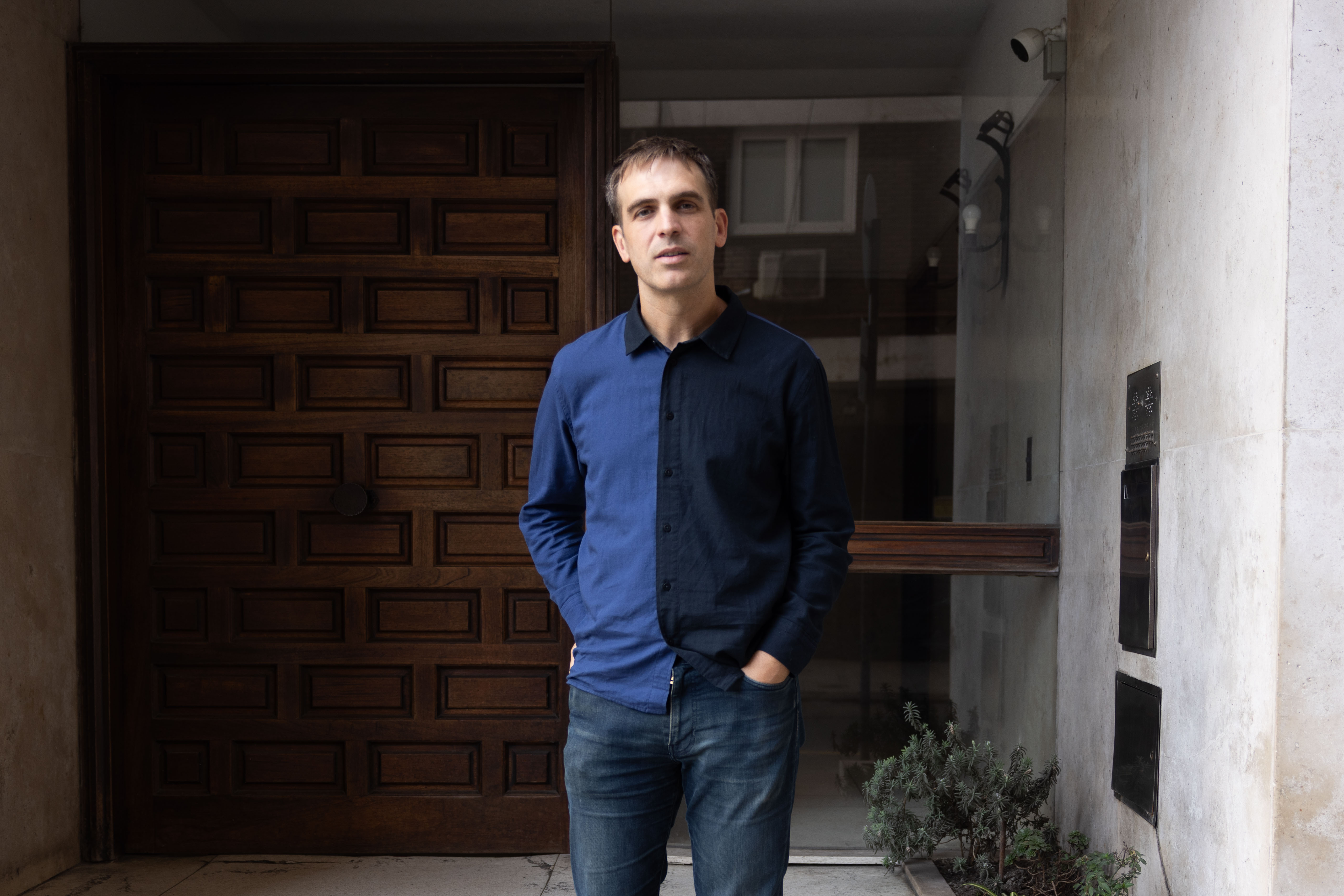
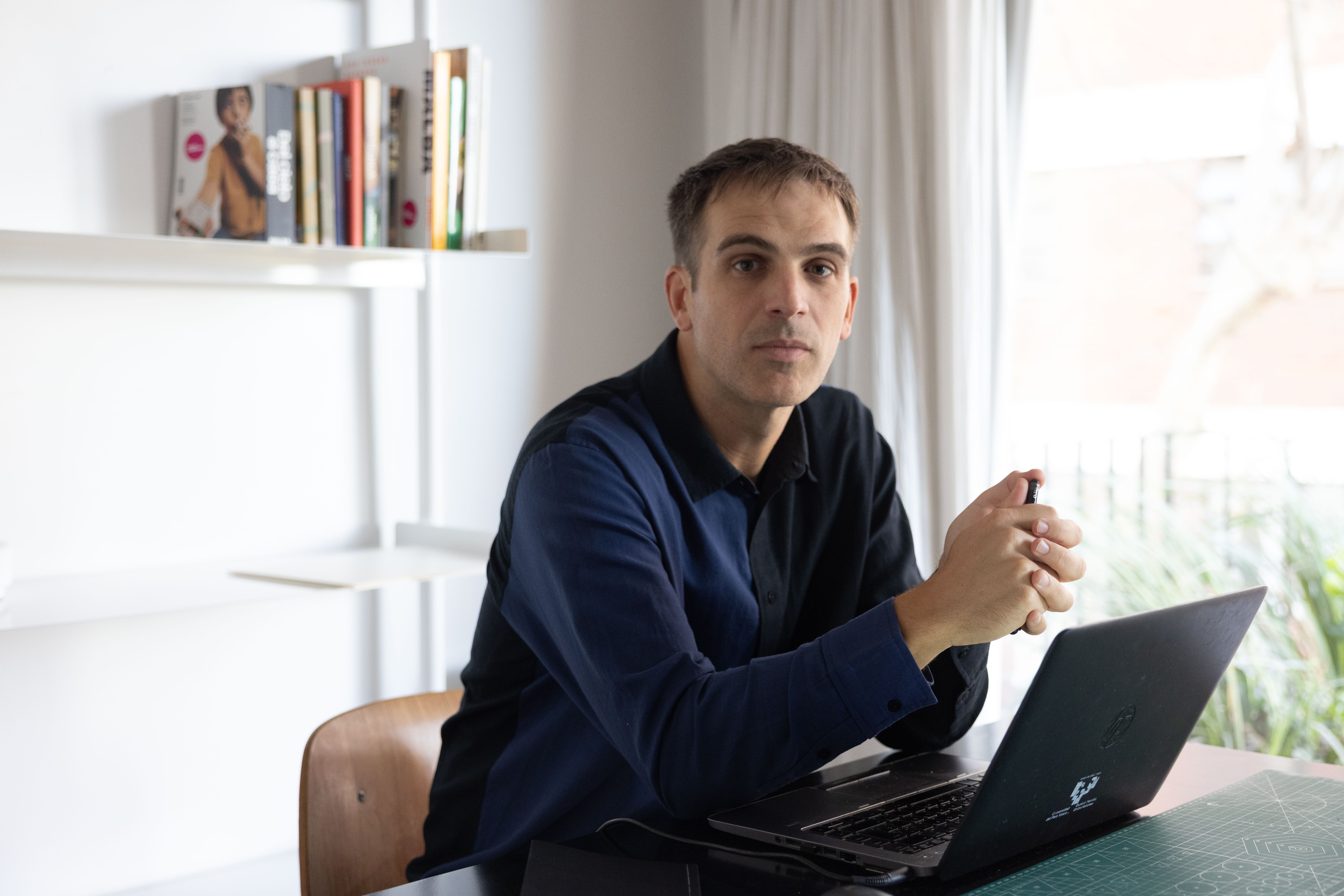

Interview to Beñat Sarasola (in Basque)
Do you want to know more about basque literature? Download this book

Read more about Basque culture
Basqueculture.eus is a platform run by the Etxepare Basque Institute offering insights into Basque culture through stories, articles and artist profiles that bring the Basque Country’s contribution to global culture and heritage closer to international audiences.
Visit basqueculture.eus
Related content
-

Beñat Sarasola, selected for the Malba Writers´ Residency
This is the first time since 2018 that, in collaboration with Etxepare Euskal Institutua, Malba Museum has selected a Basque-language writer. Sarasola will undertake a five-week residency.
-
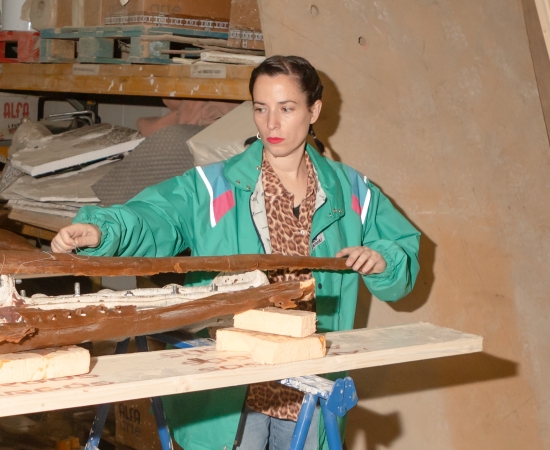
June Crespo takes part in the 18th Lyon Biennale
June Crespo takes part in the 18th Lyon Biennale with the support of Etxepare Euskal Institutua, within the ZABAL and Ça colle au basque initiatives.
-

Suns Europe: RTZ Kolektiboa becomes the first Basque band to win the jury award
The jury praised the Bayonne-based rap group for its energy, expressive power and ability to address social issues through music. The festival brought together artists from various minoritised language communities across Europe in Udine, Italy.