Etxepare brings the first major forum on minority languages in the French-speaking world to Paris
2025/11/25
Euskara. Kultura. Mundura.
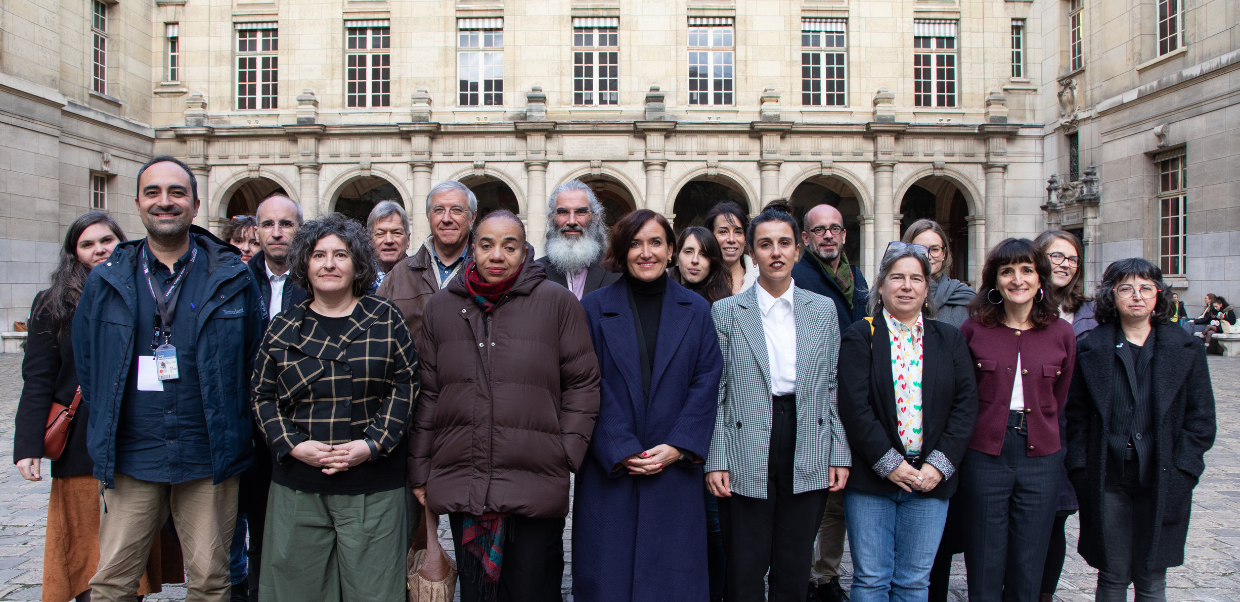
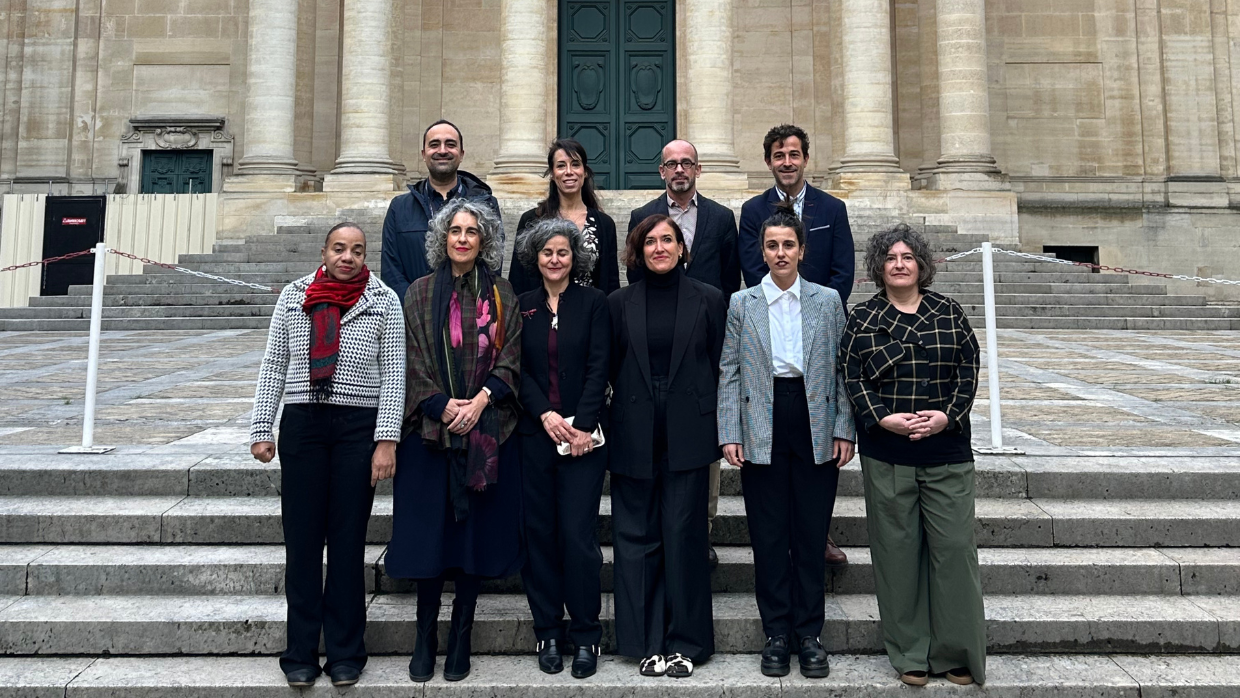

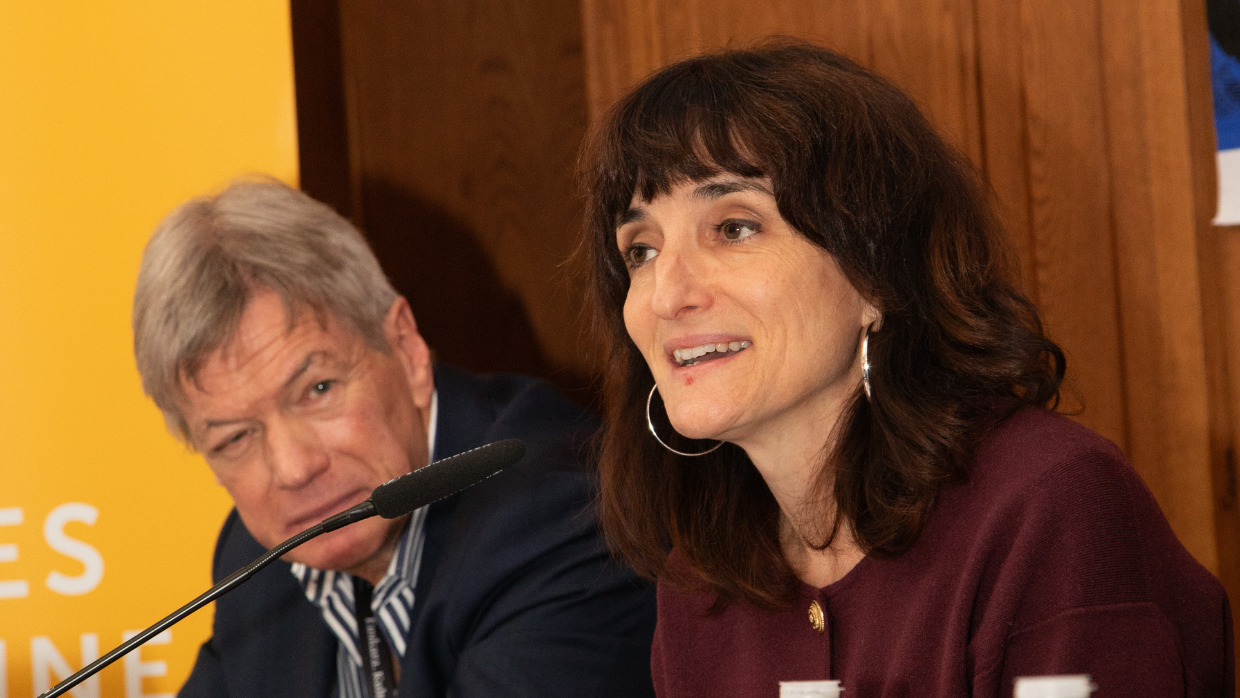
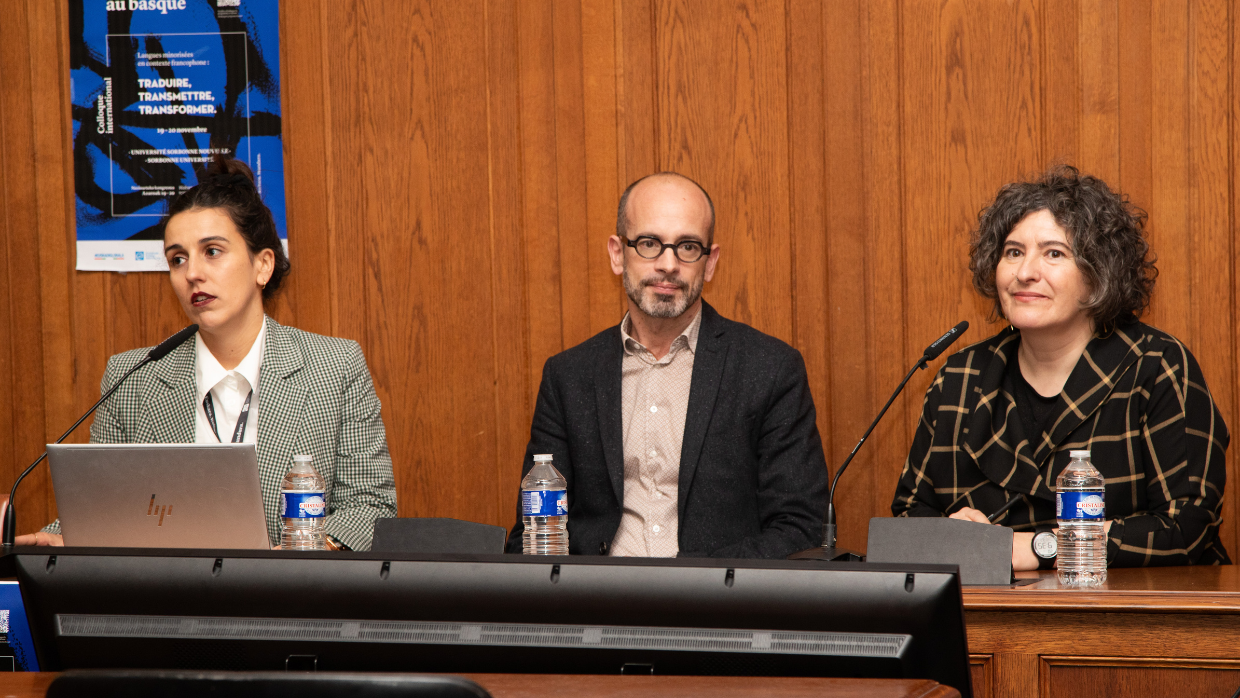
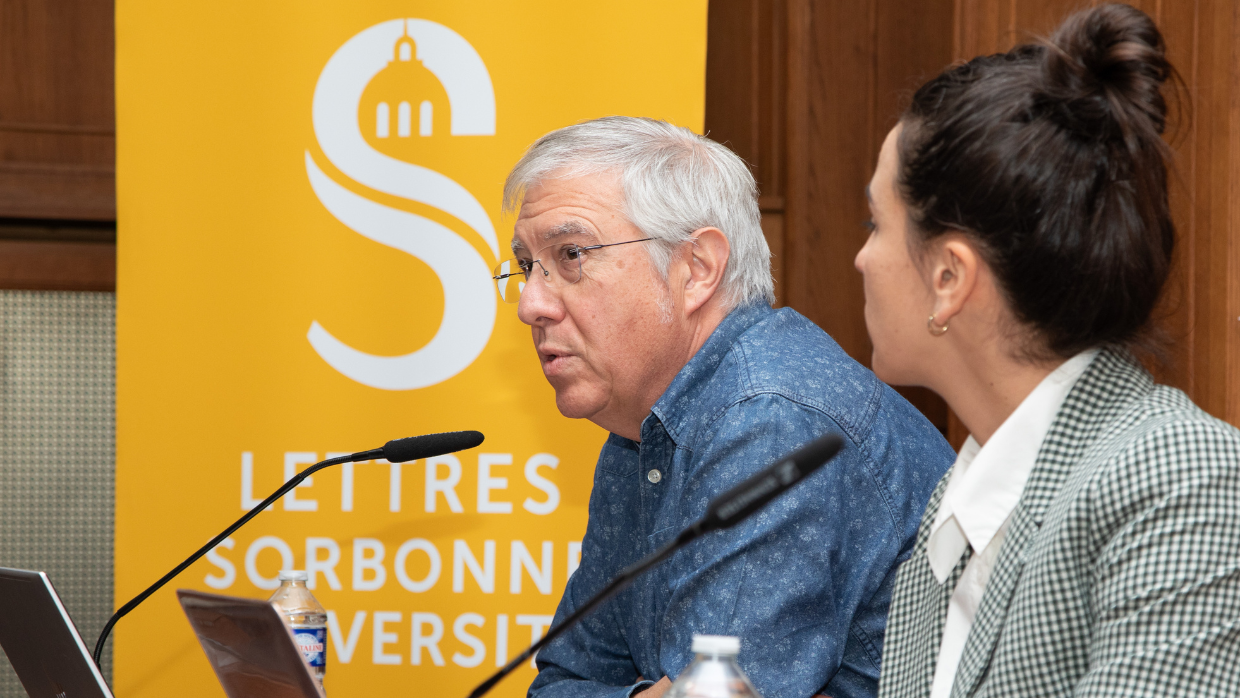
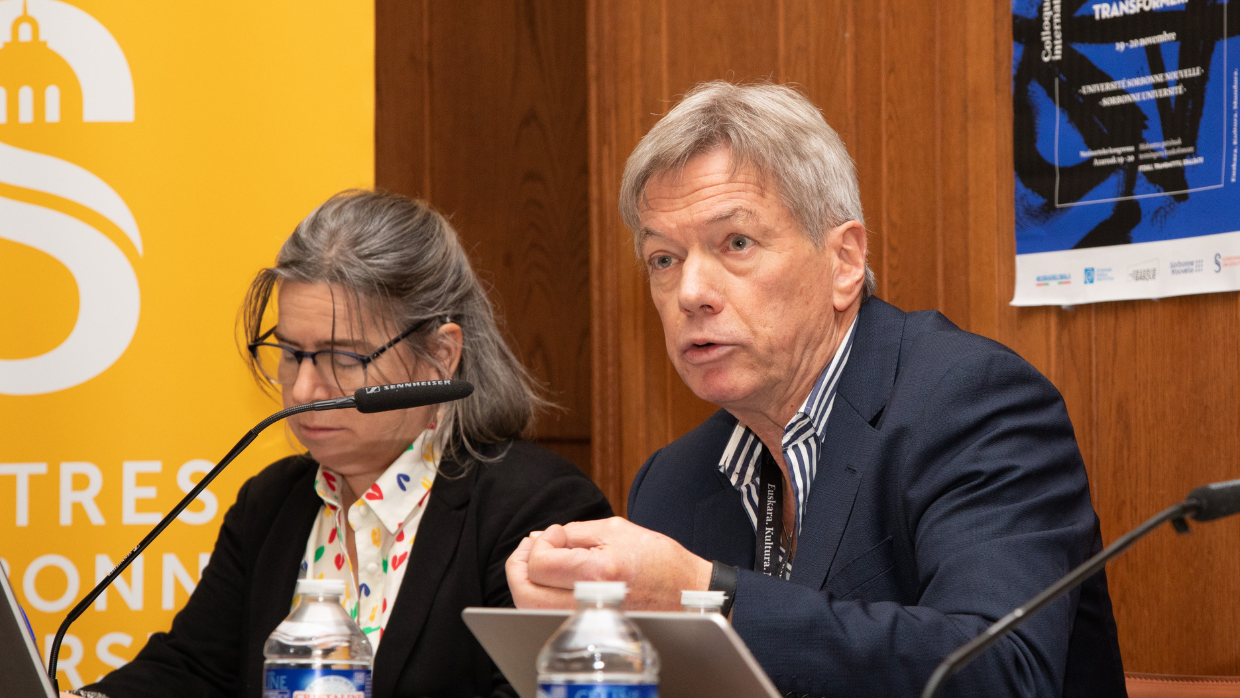
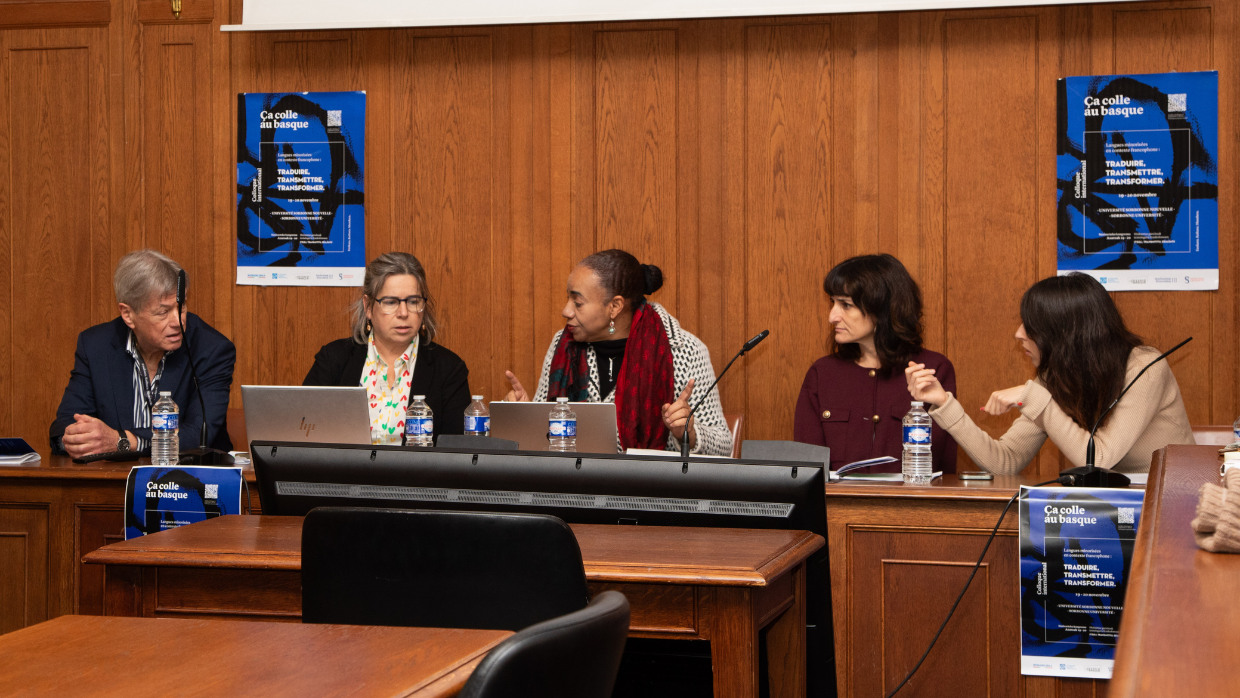
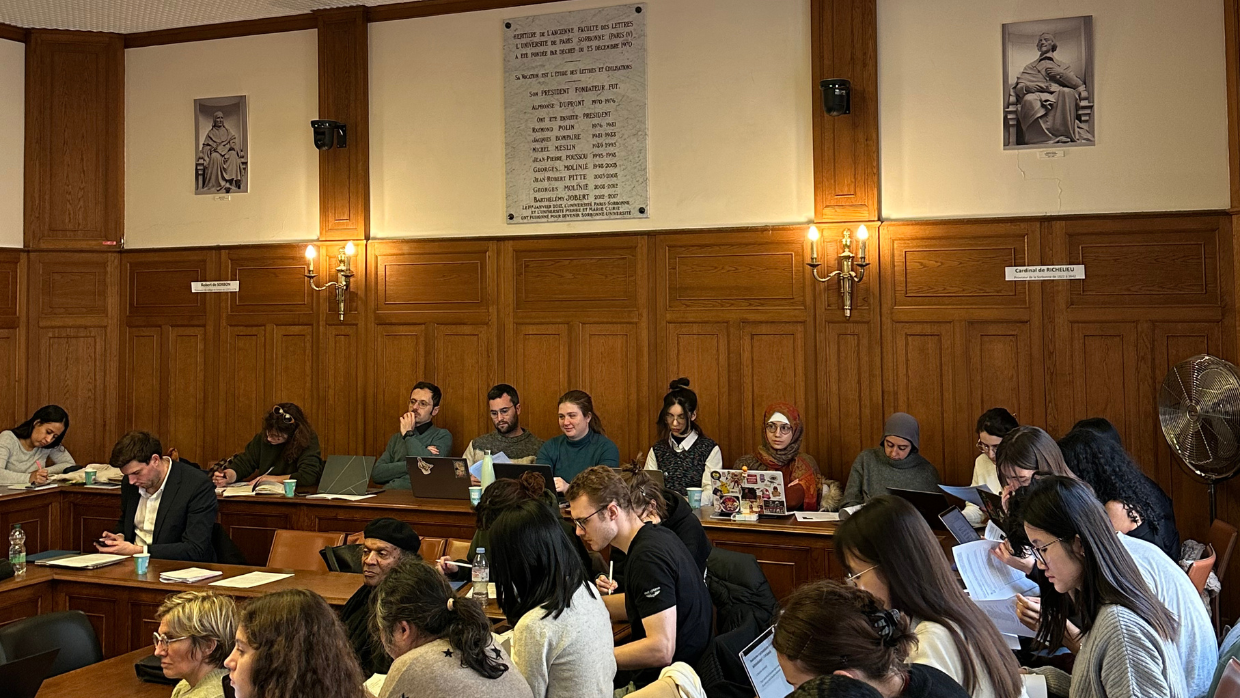
As part of its 15th anniversary celebrations, the Etxepare Basque Institute organised an international conference in Paris entitled ‘Minoritized languages in a French-speaking context: translating, transmitting, transforming’. The event was held at Université Sorbonne Nouvelle on November 19th and at Sorbonne Université on the 20th. The academic meeting, which brought together 20 speakers from various universities, addressed the current challenges facing minority languages in French-speaking regions.
As part of its 15th anniversary celebrations, the Etxepare Basque Institute organised an international conference in Paris entitled ‘Minoritized languages in a French-speaking context: translating, transmitting, transforming’, held on 19 and 20 November at the Sorbonne Nouvelle and Sorbonne universities, respectively
Basque Deputy Prime Minister Ibone Bengoetxea opened both conferences, accompanied respectively by Capucine Boidin-Caravias, Vice-President of the Sorbonne Nouvelle Research Committee, and Béatrice Pérez, Professor at the Sorbonne Faculty of Arts.
Taking Basque as the starting point and inspiration, the conference was structured around three round tables and two keynote speeches, also addressing other minority languages. Experts examined the dynamics of translation, transmission, and recognition of these languages, along with the framework of linguistic rights that impacts them.
The first day´s venue was Sorbonne Nouvelle, featuring a session focused on translation policies and practices – both supportive and detrimental to minority languages. Notable presentations included researcher David Ar Rouz discussing translation into Breton, Antonia Cristinoi Bursuc covering the indigenous languages of French Guiana, and Elizabete Manterola focusing on literary translation from Basque into French. Miren Ibarluzea presented the history of the theatre translation competition organised in 1958 by the Euskal Etxea Basque centre in Paris, and Xabier Itçaina focused on the mobilisation of civil society in Iparralde.
The second day, hosted at Sorbonne University, the focus shifted to the transmission, appropriation, and reappropriation of minority languages, with contributions from Raquel Gómez Pintado, Ralph Ludwig, Aitzpea Leizaola and Céline Mounole. Professor Philippe Blanchet (Université Rennes-II) contrasted the mechanisms of sociolinguistic hegemony associated with minoritisation against the fundamental linguistic rights of the speakers. Likewise, Cécile Rousselet, Myriam Bergeron-Maguire, James Costa and Eguzki Urteaga analysed the challenges of institutionalising these languages, sparking a lively debate and notable audience participation.
An academic network under construction
This conference has strengthened the Institute´s long-standing collaboration with Université Sorbonne Nouvelle and Sorbonne Université, both of which have offered Basque studies for over a decade. Initiatives such as this contribute to raising the profile of Euskara and Basque studies in the international academic sphere.
It is in this context, the Etxepare Basque Institute will create the Esther Ferrer Chair of Basque Studies at the Sorbonne University starting next academic year. The academic chair, which will bear the name of the internationally renowned Basque artist, will combine language, art, thought and experimentation. Esther Ferrer, whose work spans performance, sculpture, and installation, has exhibited in major international galleries and festivals.
Etxepare Basque Institute 15th anniversary
This international conference is part of the Etxepare Basque Institute’s 15th anniversary celebrations. The main event took place on November 19th at the National Library of France (BnF), while the two academic conferences at Université Sorbonne Nouvelle and Sorbonne Université are part of ´Ça colle au basque´, an initiative created to bolster the presence of the Basque language and creativity in the French-speaking world and to consolidate cultural and academic collaboration between the Basque Country and the French-speaking world.

Related content
-
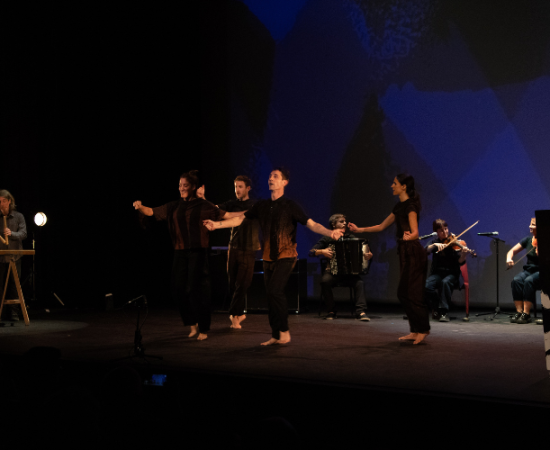
The Etxepare Basque Institute celebrates 15 years at the National Library of France
The celebration took place in the main auditorium of the National Library of France, in an artistic event featuring Basque literature, the Basque language, and Basque culture.
-
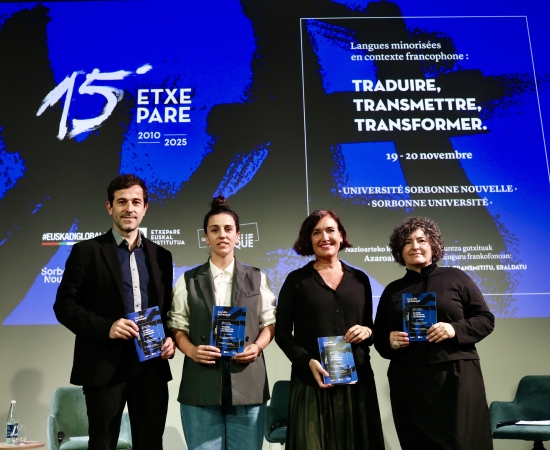
International conference: challenges of minoritized languages in the French-speaking world
On 19 and 20 November, Sorbonne Université and Université Sorbonne Nouvelle will host an international conference in Paris titled ´Minoritized languages in a French-speaking context: translating, transmitting, transforming´, organised by the Etxepare Basque Institute in collaboration with the two institutions.
-

Etxepare Basque Institute named member of ENLIT network for literary translation
At its annual board meeting held on October 17 during the Frankfurt Book Fair, the European literary translation network ENLIT agreed to admit the Etxepare Basque Institute as a new member.