I Baschi alla Biennale 1976/2026
2026/04/22
Euskara. Kultura. Mundura.
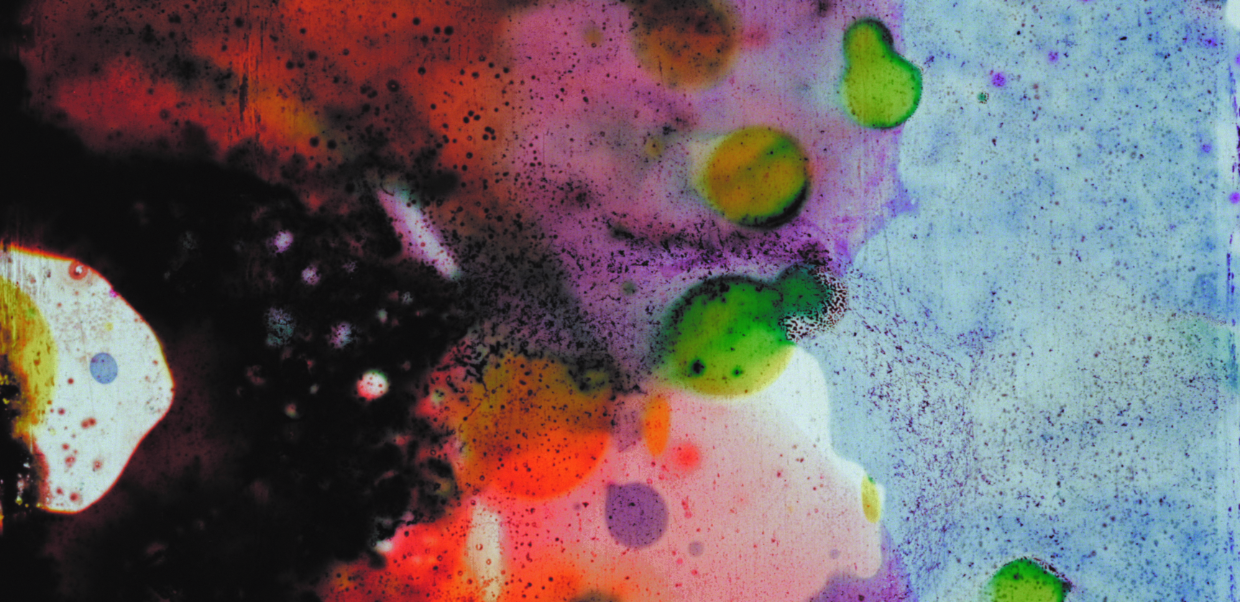
In the year marking the fiftieth anniversary of the events that defined Basque participation in the Venice Biennale of 1976, the Etxepare Basque Institute is delighted to announce that the Basque Country will return to the Italian city through the initiative I Baschi Alla Biennale 1976/2026, to be held from 6 to 8 May. As highlighted during the presentation held at the Museum of Contemporary Art of the Basque Country - Artium Museoa, this cultural project will combine memory and contemporary creation, offering a critical reflection on the role of art as a fundamental tool for freedom of expression and collective affirmation.
Five decades ago, a group of Basque artists made their voices heard at the Venice Biennale amid the political transition after Franco’s death and the rise of democratic demands. Today, the Basque Country returns to Venice with fresh perspectives, resources, and renewed artistic languages, convinced that culture is a way of being in the world.
I Baschi alla Biennale 1976/2026 is conceived as a practice-oriented critical platform capable of addressing contemporary reality. The initiative views memory as a dynamic process, combining archival materials with current creation to reflect on present-day challenges.
The programme brings together academic, artistic and institutional perspectives, fostering dialogue between professionals from the creative and academic fields. The initiative aims to commemorate a key milestone in its cultural memory, to critically revisit that experience and, above all, to encourage dialogue between different generations of creators.
As part of the programme promoted by the Basque Government, the Etxepare Basque Institute, Artium Museoa and the Università Ca’ Foscari Venezia, the cultural programme opens on 6 May 2026 with Artium Museoa’s public case-study presentation at the Palazzo Contarini della Porta di Ferro (4:00pm–8:00pm). The exhibition will also be open on 7 and 8 May, from 10:30am to 6:00pm and from 10:30 to 21:30, respectively. This case study will bring together audiovisual materials, sound archives and documentation relating to Basque participation in the 1976 Biennale, presented alongside contemporary works, creating an archive capable of generating new interpretations and research perspectives.
On 7 May, the programme will reach its most institutional dimension at the Scuola Grande San Giovanni Evangelista, with an opening ceremony presided over Basque Prime Minister Imanol Pradales. This same venue hosted the political conference on the situation of the Basque Country in 1976.
The project’s academic conference will also take place on 7 May. Under the title The Basque Country at the Venice biennale, 1976: Remembering Forward, it will examine the role of the Basque Country in the international context through culture, art and thought, taking the 1976 Biennale as its central focus. The conference will be led by the Università Ca’ Foscari Venezia and the Etxepare Basque Institute in collaboration with the Museum of Contemporary Art of the Basque Country – Artium Museoa, and will feature Joseba Zulaika, Miren Vadillo, Peio Aguirre, Beñat Sarasola and Leire Vergara as guest speakers. The session will take place at the Auditorium Santa Margherita and will conclude with a performance by the collective Tripak at 4:00pm. This auditorium, formerly Cinema Moderno, was one of the venues that hosted audiovisual works by Basque artists during the 1976 Biennale, and the session to be held there will serve as a prelude to the seminar organized by lecturer Iñaki Alfaro as part of the Basque Programme within Biennale Sessions 2026.
The case study will open on 7 May at 6:30pm at Palazzo Contarini della Porta di Ferro with a live performance, Irrintzi Repetición, by artist Itziar Okariz. The same venue will also host performances on 8 May at 6:30pm, including the piece Tripak Tokitik by the collective Tripak.

Related content
-
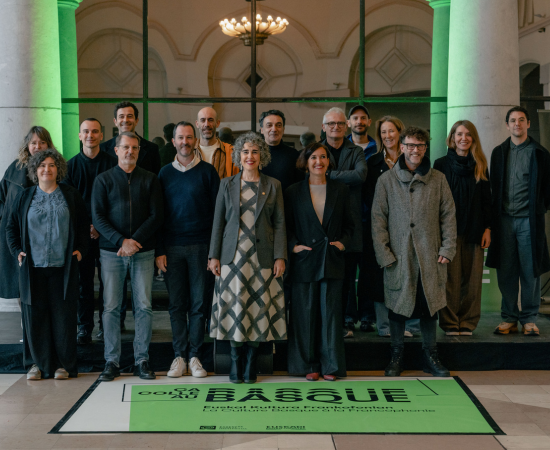
Presentation of ‘Ça colle au basque’ 2026
In this year´s edition, Basque creators will be present at 15 festivals and programmes in France, Belgium, and Quebec, through a broad network of partnerships.
-
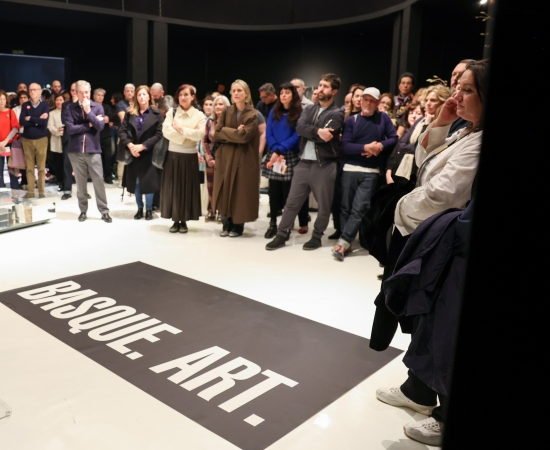
Basque contemporary art on display at ARCO in Madrid
The ARCO Madrid International Contemporary Art Fair opened its doors from 4 to 8 March, and once again a broad Basque representation has taken part in this international event, with around a hundred professionals from the sector in attendance.
-
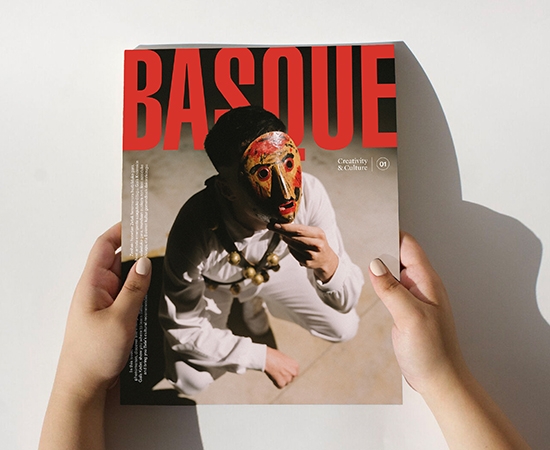
BASQUE. Creativity & Culture is here!
The Etxepare Basque Institute’s new annual publication brings contemporary creativity from the Basque Country to international audiences in a bilingual (Basque–English) format.