Challenges and opportunities for Basque-language music
2026/07/13
Artists, promoters and industry representatives analyse the current state of Basque-language music, organised by the Etxepare Basque Institute and Musika Bulegoa.
Euskara. Kultura. Mundura.
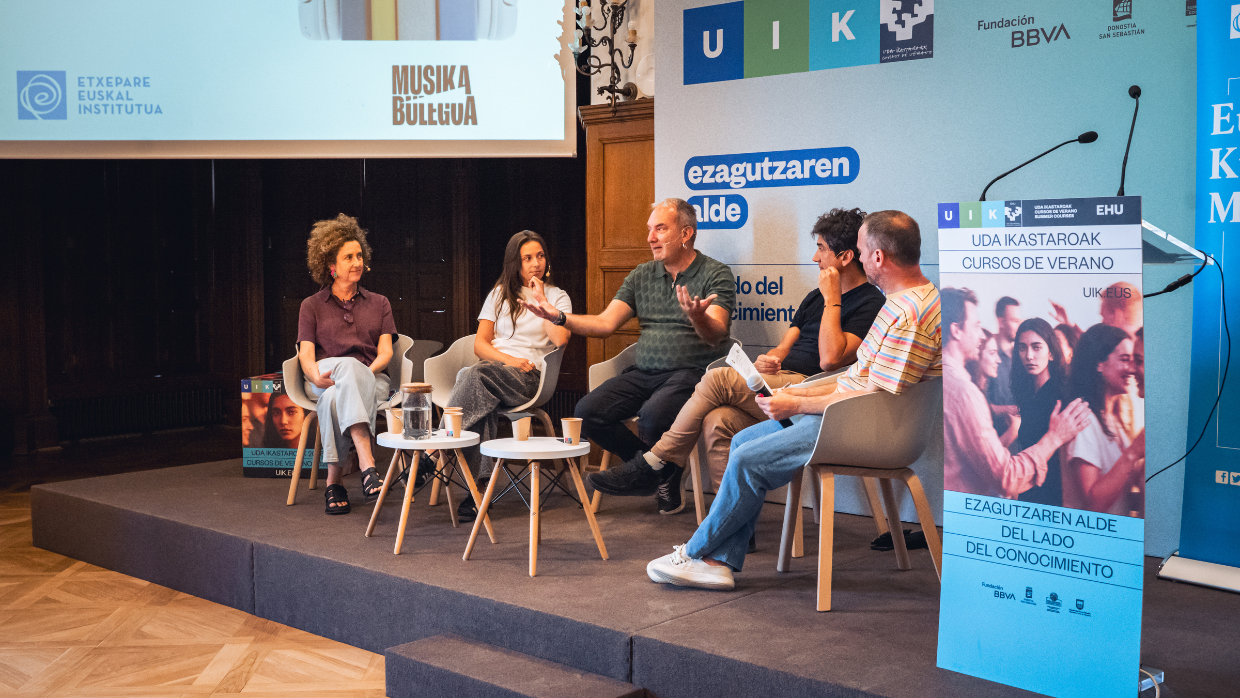
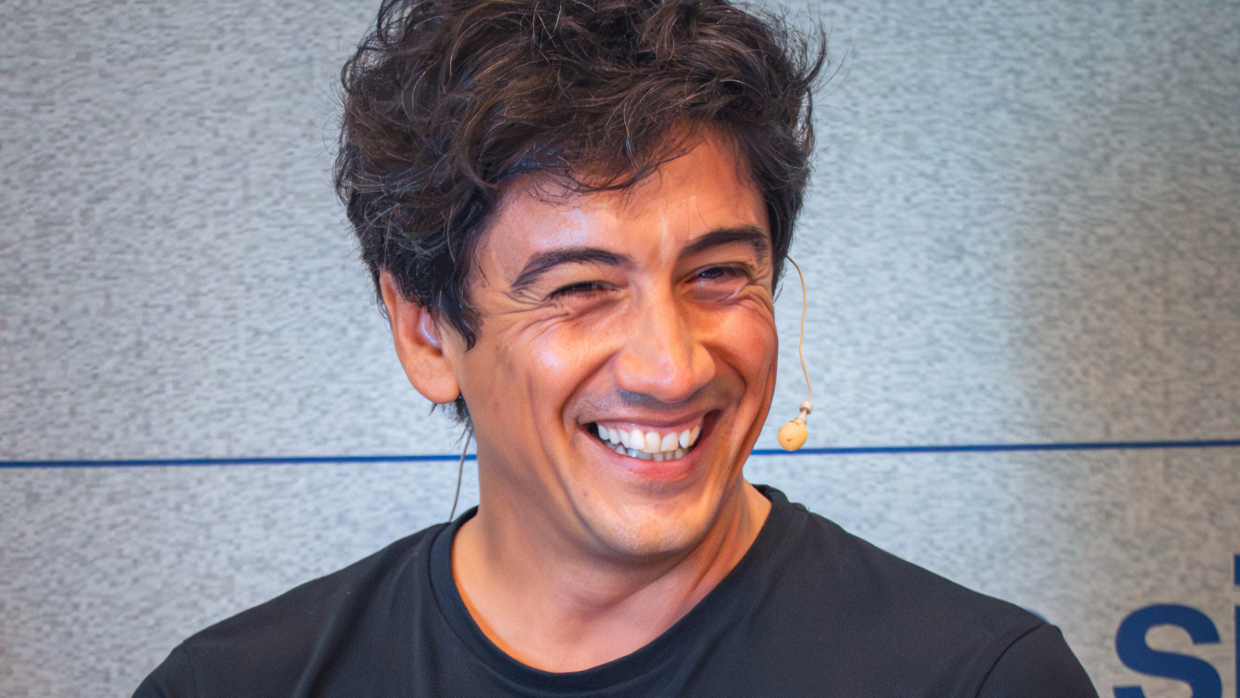
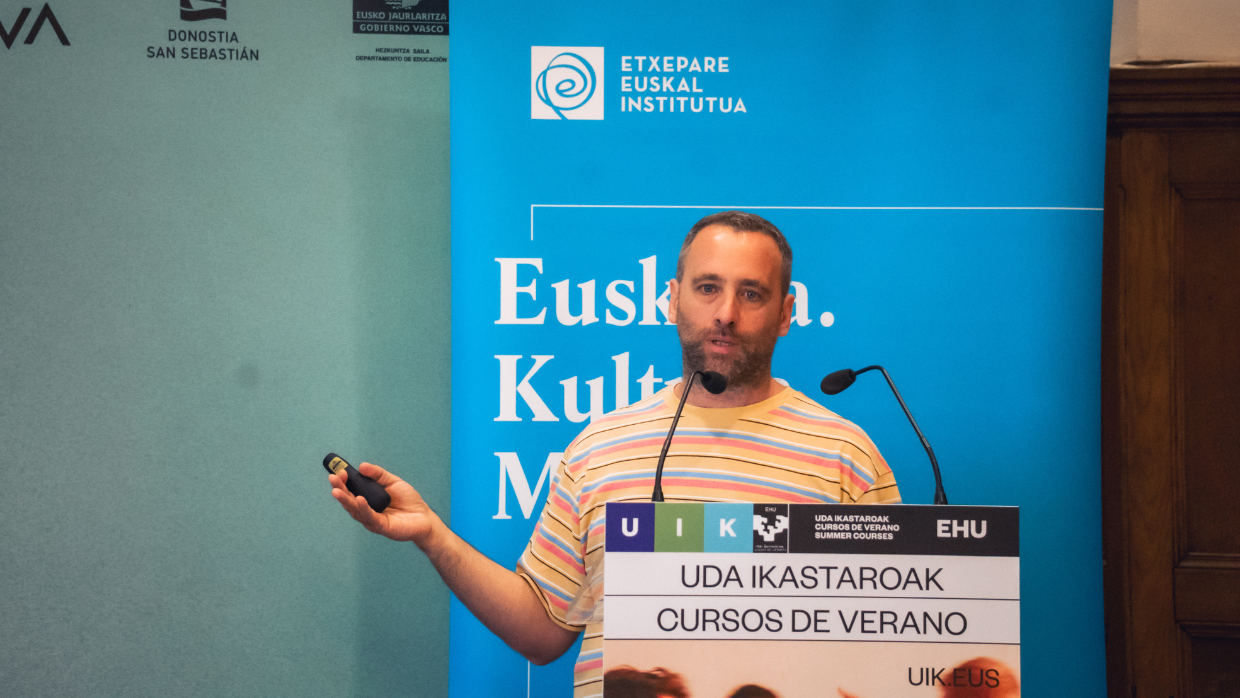
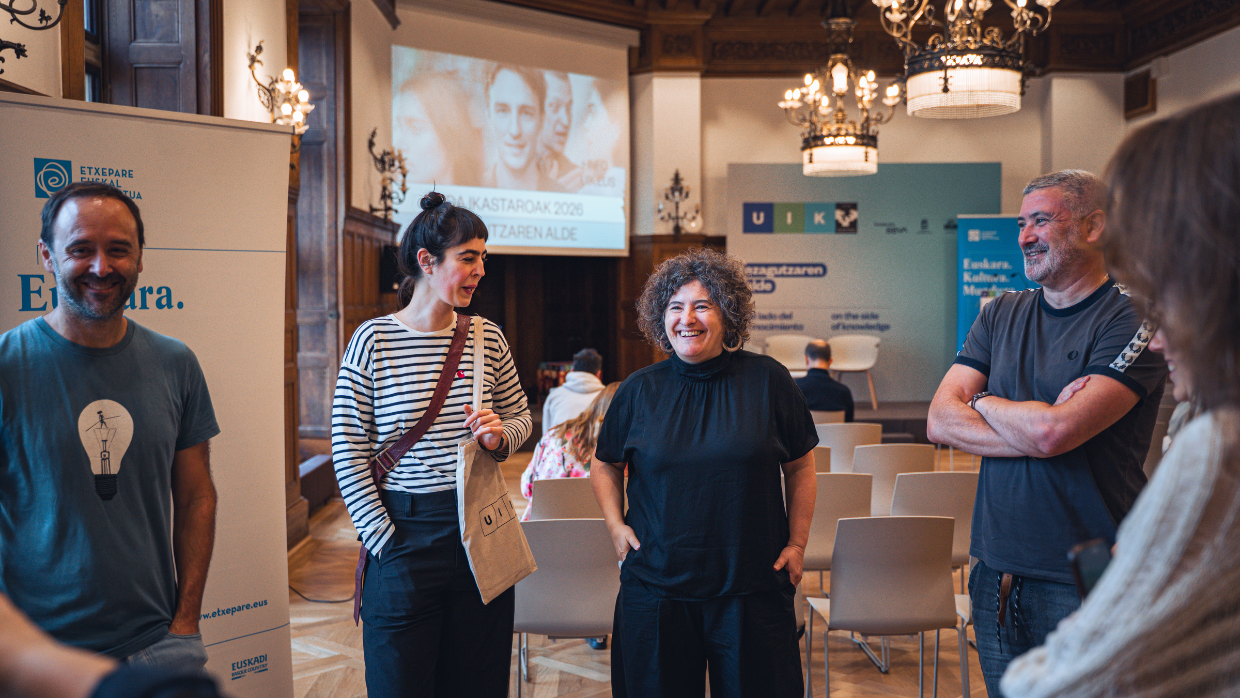
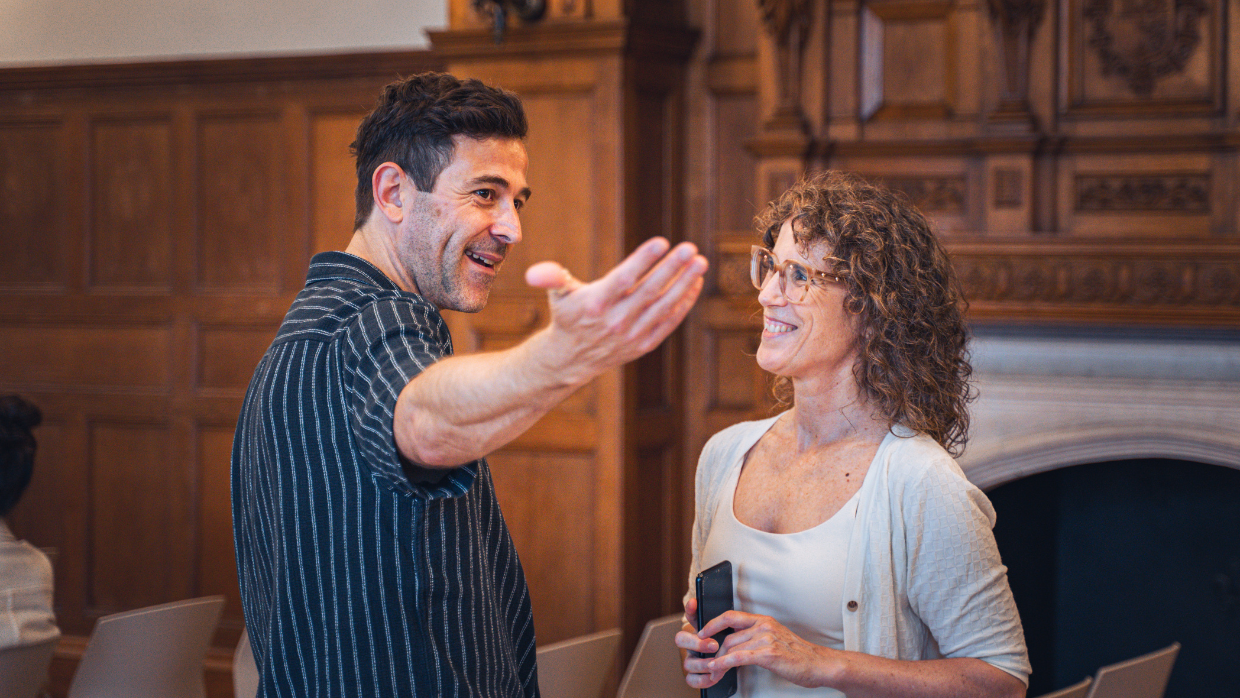
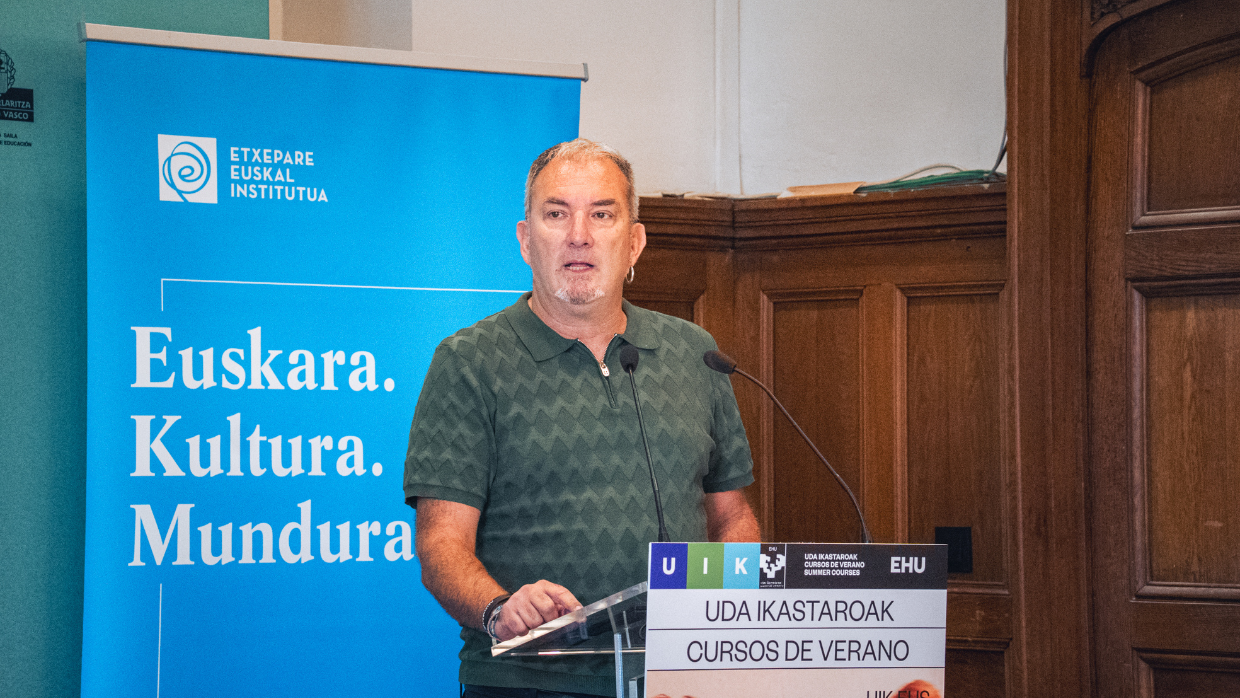
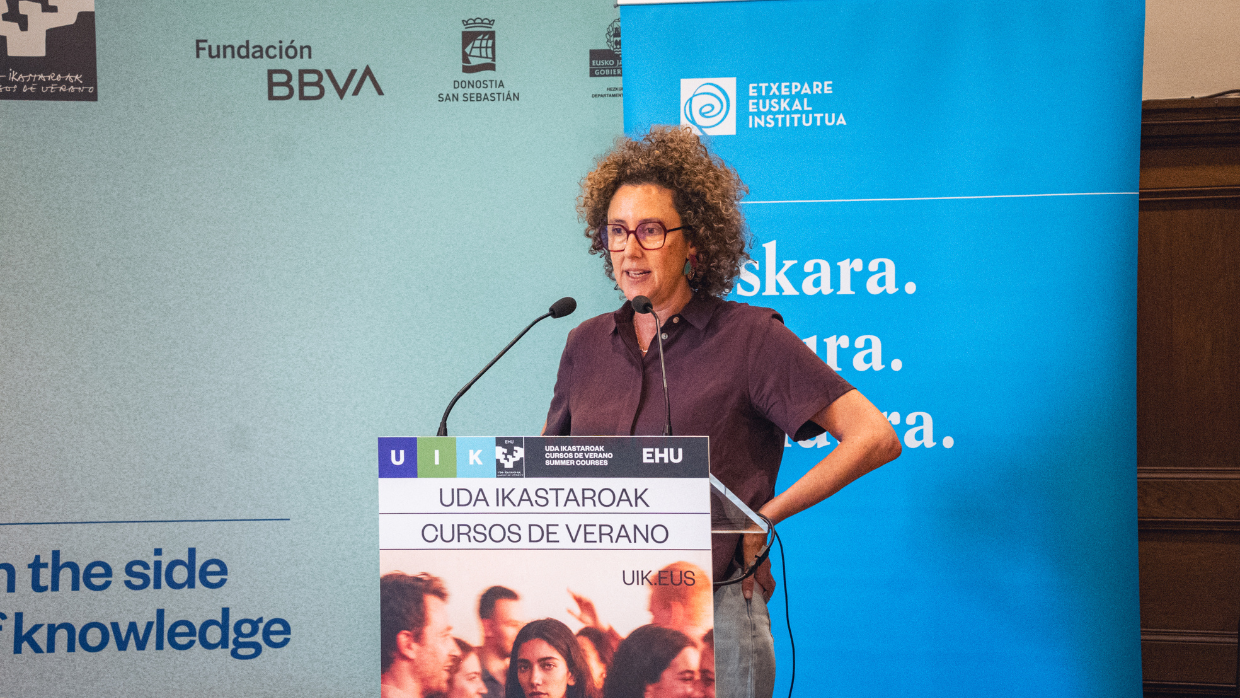
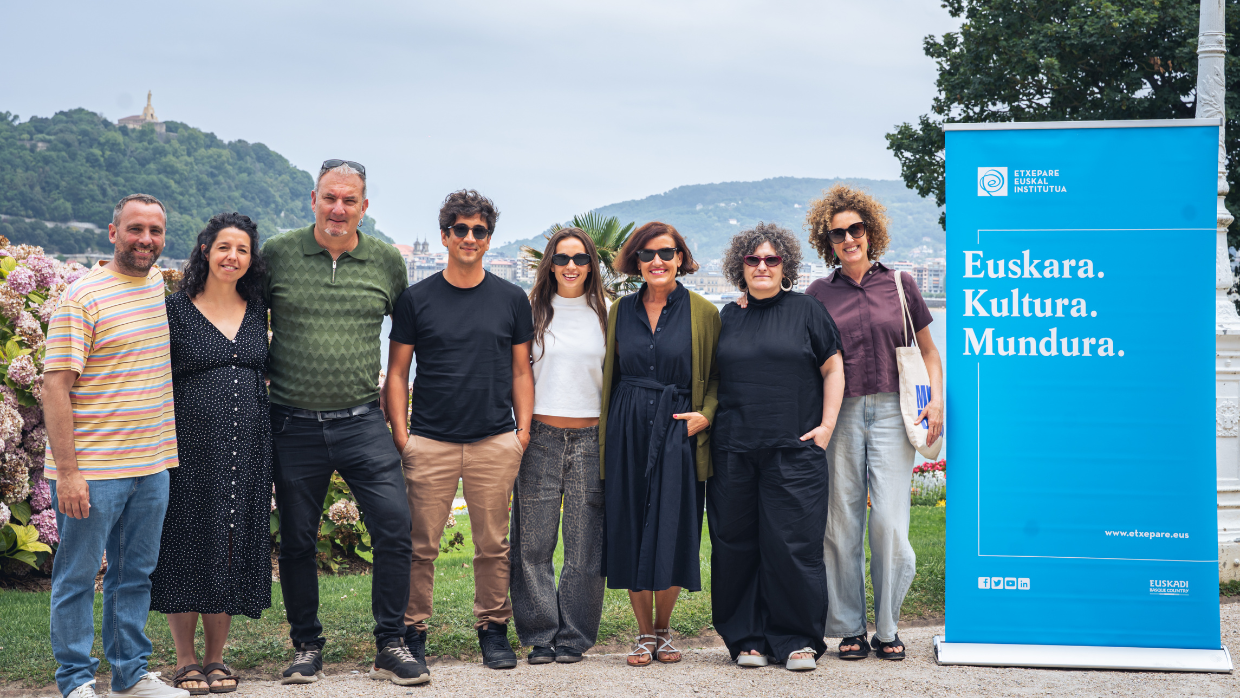
On 8 July, the Miramar Palace in Donostia hosted the 16th edition of the summer course ‘Bikaintasuna Euskal Ikasketetan’, organised by the Etxepare Basque Institute. This year’s theme was Euskara oholtzetan: musika, hizkuntza, nazioartea (Basque on stage: music, language and internationalisation). Organised annually by the Etxepare Basque Institute as part of the UIK Summer Courses, this year´s programme marked the sixteenth edition of the course and, in collaboration with Musika Bulegoa, focused on musical creation in the Basque language.
In presentations and round-table discussions, participants reflected on the presence of Euskara in music, the diversity of musical creation in the Basque language, the linguistic choices artists make throughout their careers, and the challenges facing music in Euskara as it seeks to reach international audiences. Speakers at the event included Arkaitz Villar, project manager at Musika Bulegoa; the creators Maren Berzosa, Jurgi Ekiza and Jon Maia Soria; and Amaia Ispizua, promoter at the company Get In.
After the official opening, Arkaitz Villar offered his assessment of the Basque music sector and outlined some of the main challenges it currently faces: the professionalisation of technical staff in live music, the precarious situation of many artists, the gender gap in working conditions, digitalisation, sponsorship and internationalisation. He also presented the Basque. Music. platform, launched to reinforce the international presence of Basque music, and outlined some of the key professional events and international venues where this initiative has helped to showcase Basque artists.
The second session focused on creators’ linguistic choices. Maren Berzosa recalled her early days and shared the decisions she has made throughout her career, which has sometimes left her feeling like an outsider or “infiltrator” in certain contexts. She recognised that she is constantly seeking a balance between her own convictions and the expectations of her audience, while noting that her followers may not be as aware as she is of the significance of language choice.
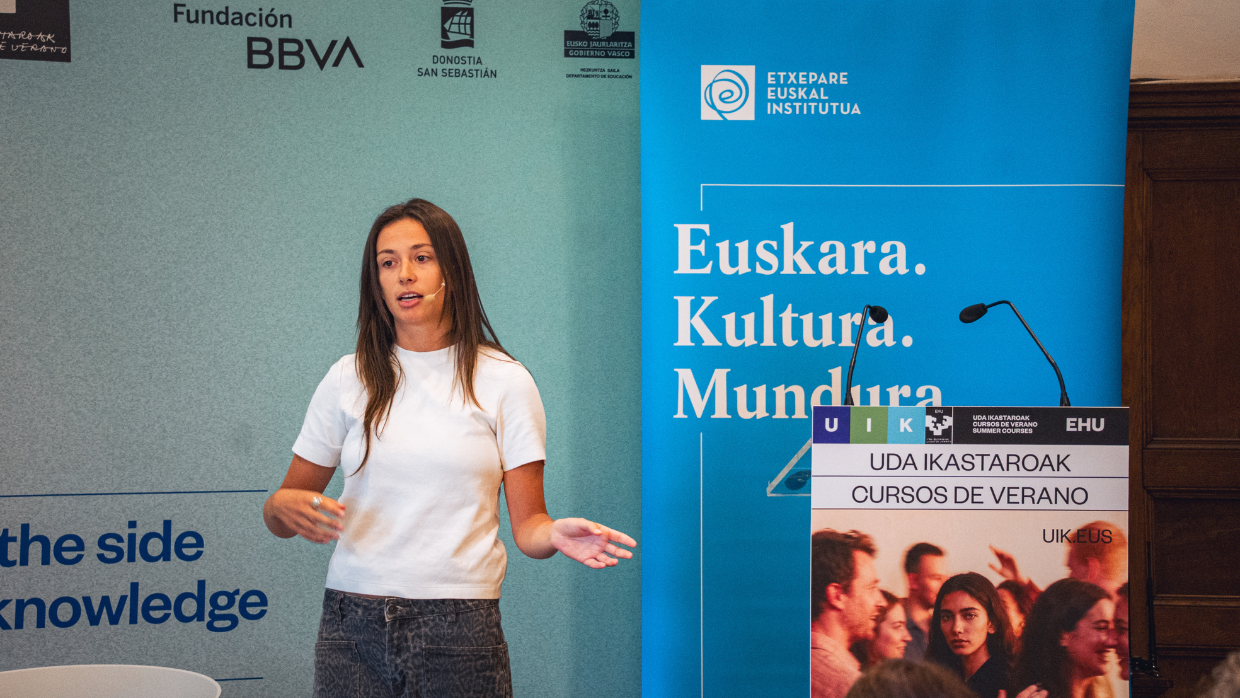
Jurgi Ekiza also looked back on his personal artistic journey to explain where his creative decisions stem from. After more than two decades with Willis Drummond, he is currently working on his solo project, Ekiza. The Bayonne-born musician described how the Negu Gorriak phenomenon prompted him to reconnect with Basque music and culture, a process that has shaped his artistic career ever since and led him to create exclusively in Basque. Beyond his emotional attachment to the language, he also acknowledged the political dimension of that decision: ‘If we Basque speakers ourselves do not create in Basque, who will?’
Bertsolari and lyricist Jon Maia Soria took the audience on a journey through the history of Basque culture to highlight the role of song as one of its main pillars. The author of hundreds of lyrics, he said he felt he was just another link in a long chain of cultural transmission. He pointed out that the Basque language starts from a position far removed from that of the dominant languages in terms of resources and tools and identified the medieval song Bereterretxeren Khantoria as one of the cornerstones of Basque culture. In his view, every new song in Euskara helps to keep that chain alive, regardless of figures, statistics or markets. His talk concluded with a reading of several pieces from his own repertoire.
The perspective on cultural management was provided by Amaia Ispizua, promoter at Get In, who focused her talk on artist representation, promotion and festival management. Following the return of the group Peiremans, she invited the audience to reflect on the current state of the sector’s expectations. She emphasised that an understanding of the music ecosystem and the linguistic landscape is essential for any artist representative, as it influences both festival programming and bookings by public and private institutions. She also stressed the importance of carefully assessing each artist´s career and explained that the company also manages festivals such as Miramar Gauak, where particular efforts are made to ensure a strong presence of artists who create in the Basque language. In her closing remarks, she addressed the changes in habits resulting from new communication models and their influence on both music consumption and the use of Euskara.
The day concluded with a round-table discussion in which the speakers reflected on the challenges and opportunities facing music in the Basque language. Jon Maia argued that one of the major challenges remains reaching the large Spanish-speaking section of Basque society. The role of social media was also discussed. Maren Berzosa explained the care she takes to ensure the quality of the content she shares, while Jurgi Ekiza observed that language choices on these platforms are generally determined by the characteristics of the target audience.
Other topics of discussion included the working conditions of music professionals and the current measures of success. Amaia Ispizua pointed out that nowadays success is often associated with filling large venues or putting up a ‘sold out’ sign, whilst Ekiza warned of the growing influence of the logic of mega-events. Berzosa, in turn, contrasted the creative freedom afforded by self-production with the financial constraints that often accompany it. To round off the day, Monika Madinabeitia and Maddi Arana summarised the main ideas shared throughout the course, emphasising the importance of dialogue and collaboration in tackling the challenges and seizing the opportunities facing music in the Basque language.

Related content
-
III Basque World Congress launches call for papers and posters
The call for research, experiences and initiatives on Basque, minoritised languages and linguistic diversity will remain open until 14 September 2026.
-
-
Open calls for the international mobility of Basque artists
Applications are now open for grants designed to strengthen the international presence of artists working in the fields of theatre, dance, music, plastic and visual arts, film and literature. Funding is also now available for not-for-profit international cultural activities.