The Basque window at the FCEN Nantes film festival marks a quarter of a century
2026/03/20
To mark its 25th anniversary, a special event has been organised on 25 March featuring screenings of ‘Elai Alai’ and ‘Karmele’. In total, 20 Basque productions will be shown in Nantes from 21 to 29 March.
Euskara. Kultura. Mundura.
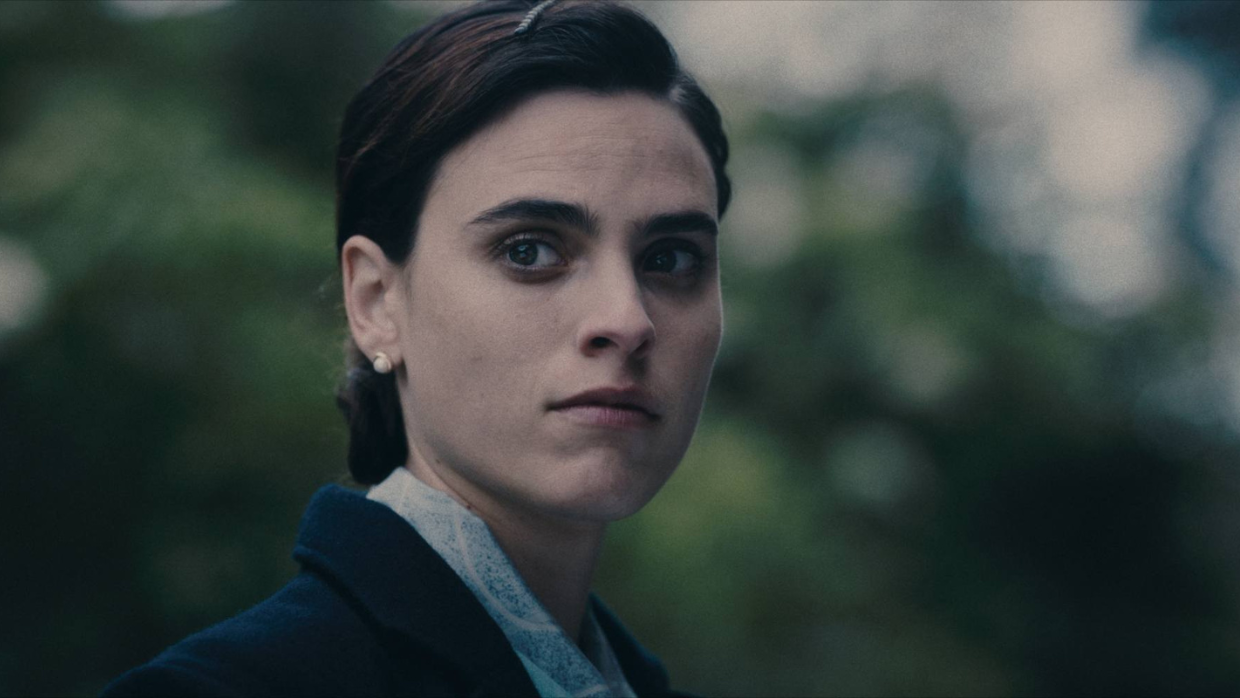
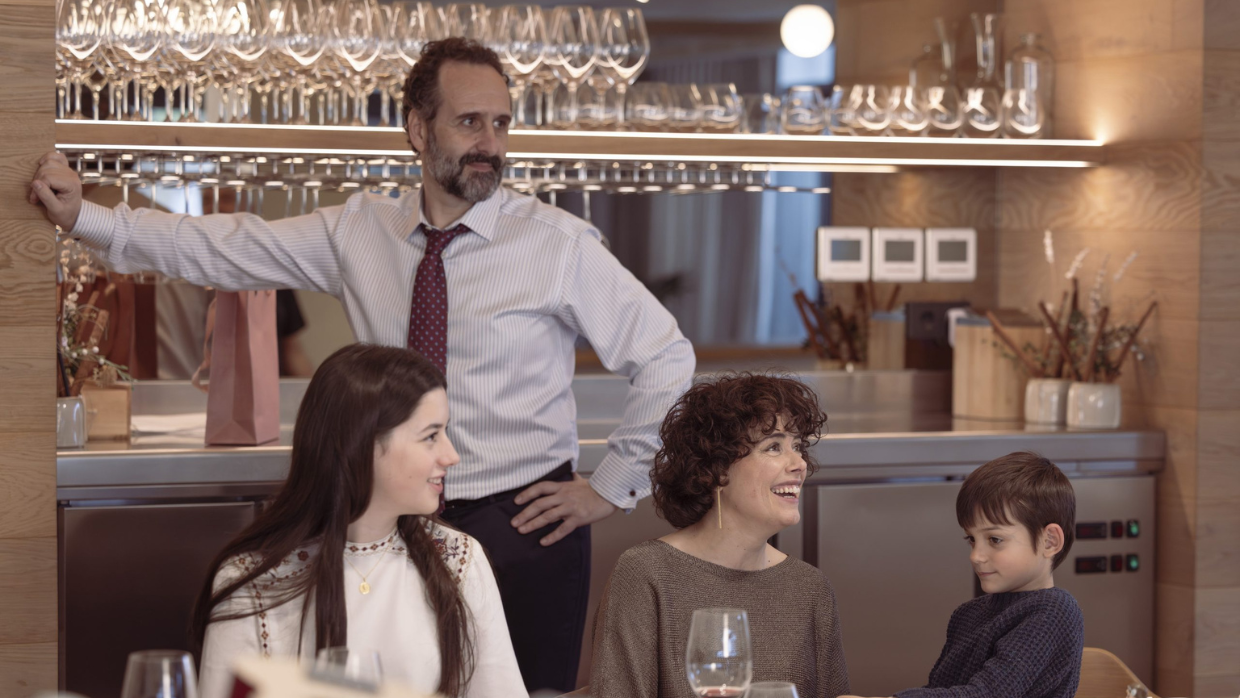
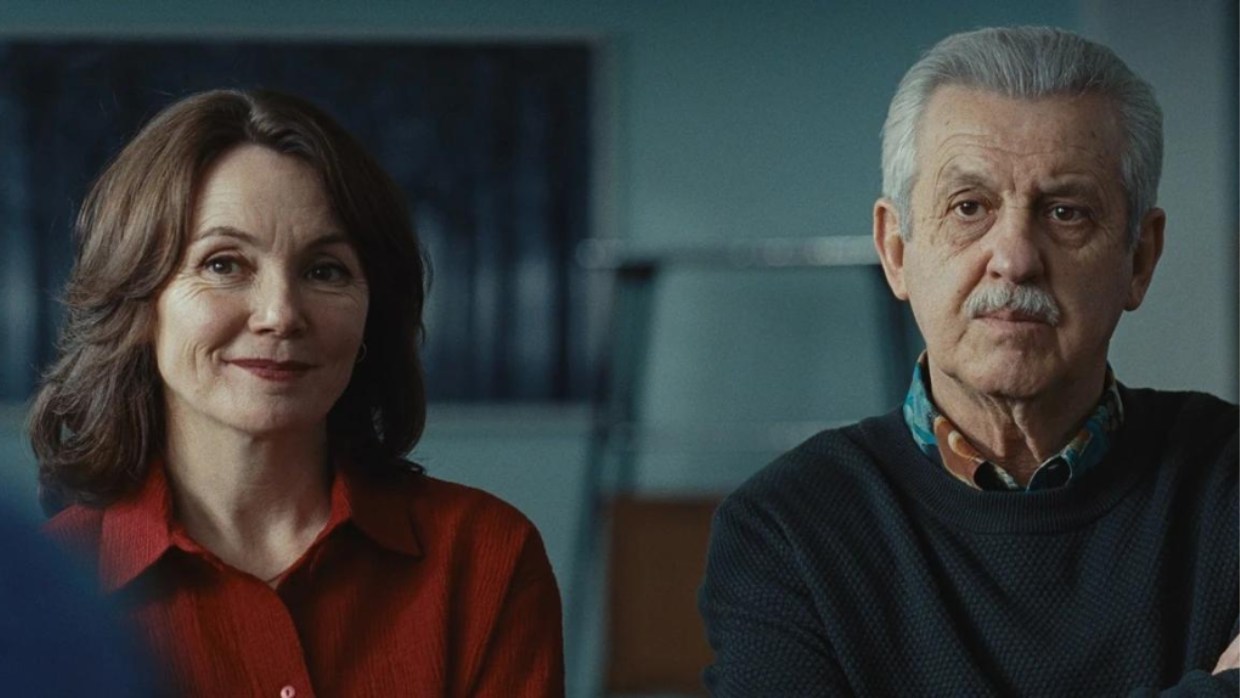
The Fenêtre Basque (Basque Window) programme, held within the framework of the Festival du Cinéma Espagnol de Nantes (FCEN), reaches its 25th edition this year. Promoted by Etxepare Euskal Institutua in collaboration with the Basque Film Archive within the framework of ´Ça colle au basque´ initiative, this section is one of the most solid showcases of Basque cinema outside the Basque Country, presenting each year a selection of the most outstanding Basque productions and works by some of the leading Basque filmmakers.
‘Elai Alai’ and ‘Karmele’ at the Nantes Opera House
In this edition, marking the 25th anniversary of Fenêtre Basque (Euskal Leihoa), a total of 20 Basque productions will be part of the festival, which will take place in Nantes from 21 to 29 March. To commemorate this milestone, a special event dedicated to Basque filmmaking has been organised on 25 March at 7:00 p.m. at the Théâtre Graslin.
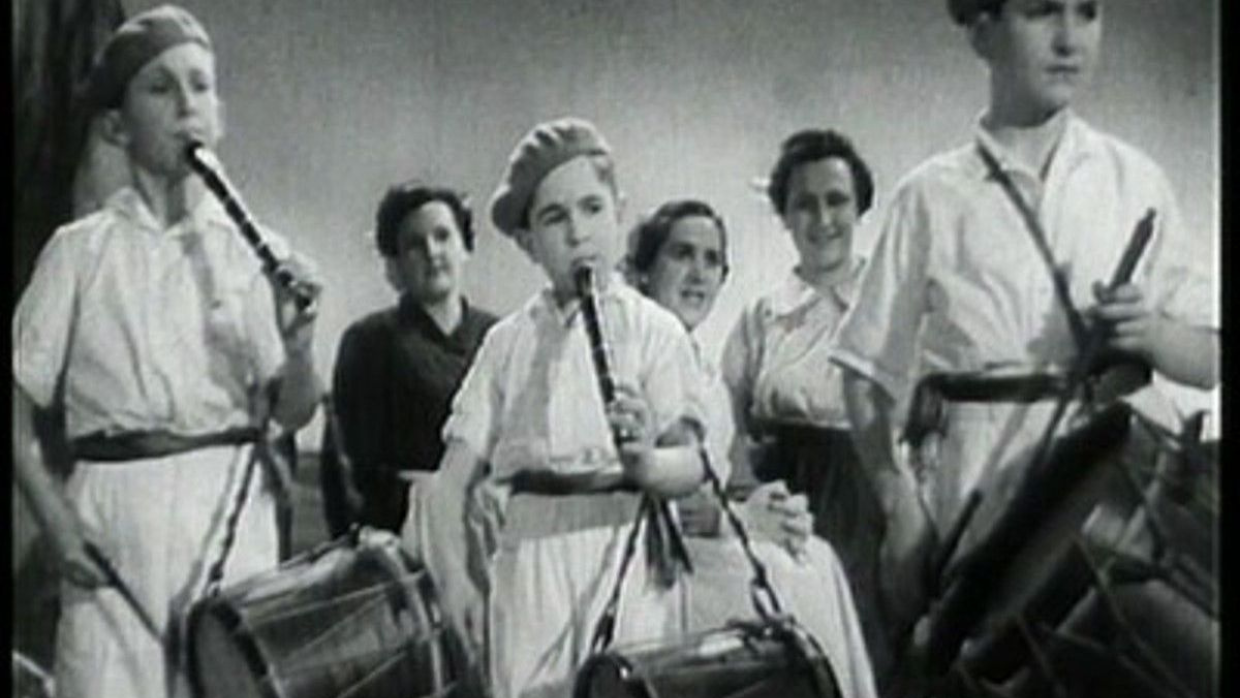
The event will open with a screening of the documentary ‘Elai Alai’ (1938) by Nemesio Manuel Sobrevila, restored by the Basque Film Archive from materials held at the French Cinematheque, accompanied by a live piano performance by Joserra Senperena. The film includes footage of the children’s dance group Elai-Alai from Gernika, exiled during the Civil War, as well as members of the Eresoinka choir.
Several silent fragments of the film will be newly scored and performed live by Joserra Senperena, who will present a composition created specifically for the occasion. It is worth noting that in 2012 the Basque Film Archive added sound to several parts of ‘Elai Alai’, as the preserved negative lacked any audio.
Following the screening, the film ‘Karmele’ will be presented by its director Asier Altuna. Premiered in 2025, the film portrays episodes in the lives of Karmele Urresti and Txomin Letamendi, also shaped by the same wartime context. ‘Karmele’ is based on the novel ‘Elkarrekin esnatzeko ordua’ by Kirmen Uribe.
25 years of Basque Window
Beyond the anniversary event, the programme of this 25th edition of Fenêtre Basque (Euskal Leihoa) will include the screening of seven feature films and seven short films from the Kimuak 2025 programme, as well as the miniseries ‘Yakarta’. In addition to the section specifically dedicated to Basque cinema, Basque presence will also be felt in other sections of the 34th edition of FCEN.
The following seven feature films will be screened in the Fenêtre Basque section: ‘Singular’, by Alberto Gastesi, a science fiction drama set in the near future —with the director attending the festival—; ‘La trinchera infinita’, by Aitor Arregi, Jon Garaño and Jose Mari Goenaga, which tells the story of a man marked by the shadows of the post-Civil War dictatorship; and ‘Los domingos’, by Alauda Ruiz de Azua, recent winner of the Goya Award for Best Film, which explores tensions between faith, personal freedom, family expectations and life decisions. The programme will also include titles that have left a mark on Basque cinema, such as ‘Ehun metro’, by Alfonso Ungría; ‘Hamaseigarrenean aidanez’, by Anjel Lertxundi; ‘Zergatik panpox’, adapted from the novel by Arantxa Urretabizkaia; and ‘Oraingoz izen gabe’, by Jose Julian Bakedano, which intertwines memory and the collective identity of Basque society.
Basque short films will also have their place in this year’s programme. In this regard, FCEN will screen works from the Kimuak 2025 programme, a key platform for Basque film creation: ‘Dicen que tu padre’, by Aitor Abio; ‘El regalo’, by Lara Izagirre; ‘Erreka zoko hortan’, by Ekaitz Bertiz; ‘Habana industrial’, by Ainhoa Ordoñez; ‘Las manchas del jaguar’, by Ricardo Del Conde; ‘Sueños de viernes’, by the collective Harrotu Ileak and Zine-Lab; and ‘Ultramarino’, by Maren Zubeldia and Silvina Gugliemotti.
Finally, the Nantes festival will also host a screening of the miniseries ‘Yakarta’, directed by Basque filmmaker Diego San José, who will be present at the event.
In competition
Beyond Fenêtre Basque (Euskal Leihoa), the Nantes festival has also included several Basque productions in other sections. In the official competition, for example, ‘Maspalomas’ (Jose Mari Goenaga and Aitor Arregi) and ‘El mal’ (Juanma Bajo Ulloa) will compete.
‘Maspalomas’ received nine nominations at the Goya Awards, and Jose Ramon Soroiz was recognised for his performance in the Best Leading Actor category. Director Aitor Arregi, also nominated for Best Director, will attend the festival.
Meanwhile, in ‘El mal’, Juanma Bajo Ulloa presents a dramatic thriller centred on guilt, violence and inner conflict. The director will also be present in Nantes.
Another Basque production will also compete for the Best First Feature award: ‘Todo lo que no sé’ (Ana Lambarri). This is the filmmaker’s debut feature, whose story revolves around a young woman’s transition into adulthood. Ana Lambarri will also be present at the screening of the film.
About FCEN
The Festival du Cinéma Espagnol de Nantes (FCEN, Nantes Spanish Film Festival) was created in 1990 to promote Spanish-made films in France. In addition to screenings, the festival hosts include roundtables, art exhibits, concerts, and other activities. Every year, the event attracts over 27,000 spectators, as well as critics and industry professionals.
Nantes is one of the European cities that has most actively supported and showcased Basque cinema. The Fenêtre Basque section is celebrating its 24th anniversary this year, marking over two decades during which many prominent figures in Basque cinema have come to Nantes to present their work and engage with audiences.
Do you want to know more about basque cinema? Download this book

Related content
-
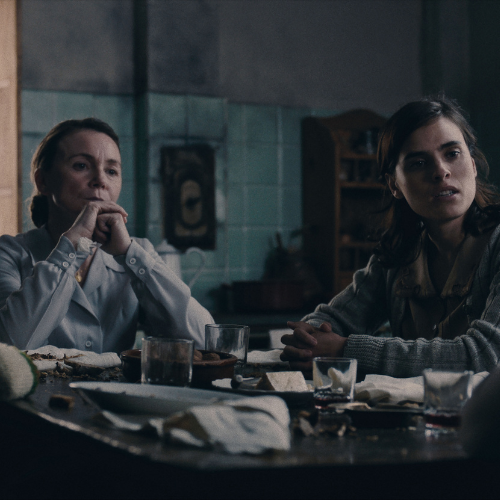 21Mar 202629Mar 2026
Festival du Cinéma Espagnol de Nantes 2026: Fenêtre Basque
 Nantes
-

Basque cinema takes center stage at the Goyas
Basque cinema won eight of the main awards at the Goya Awards ceremony held on 28 February. ´Los Domingos´ led the night, receiving five of the top prizes.
-
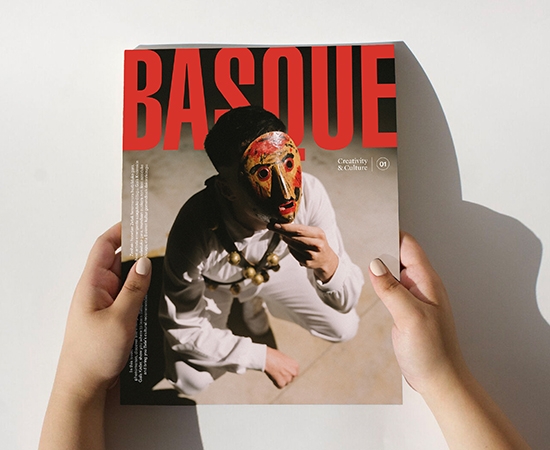
BASQUE. Creativity & Culture is here!
The Etxepare Basque Institute’s new annual publication brings contemporary creativity from the Basque Country to international audiences in a bilingual (Basque–English) format.